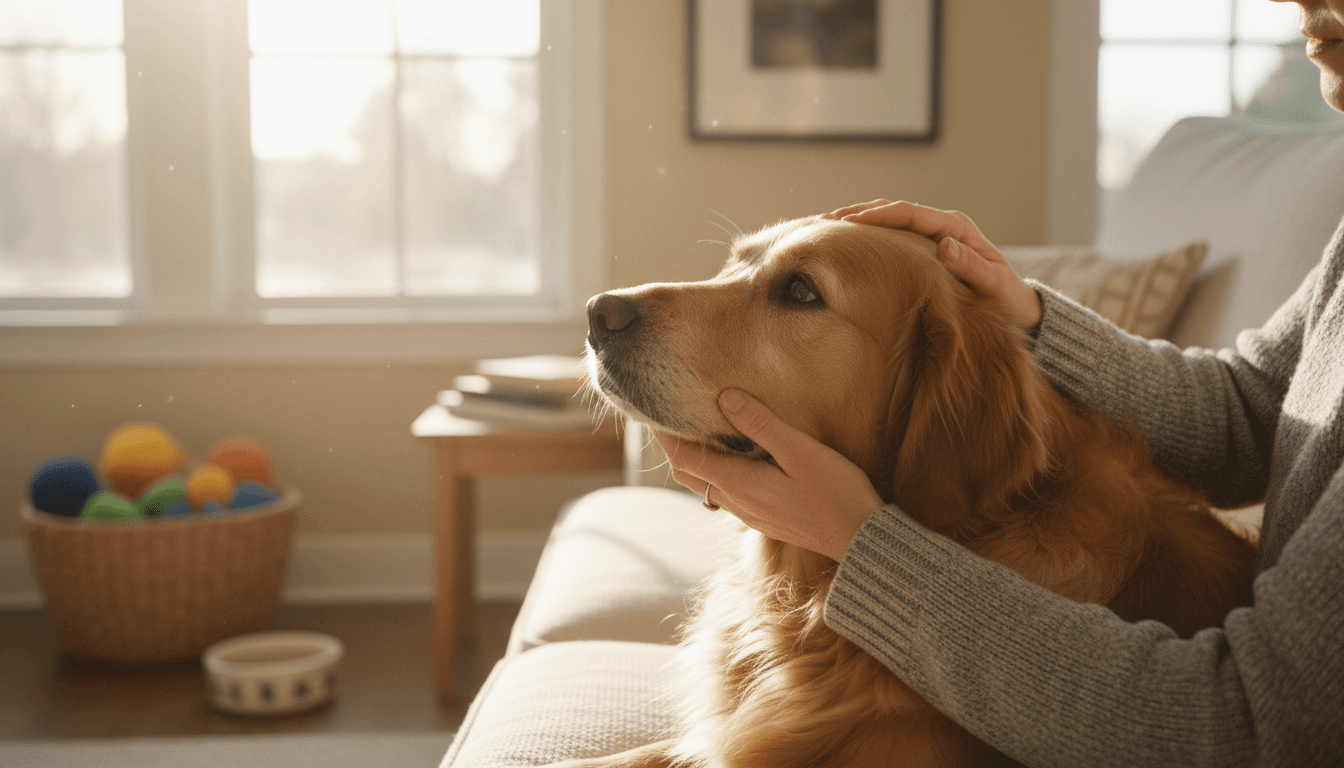
Building a solid foundation begins with trust. In your new puppy's first week home, trust means learning to read and respond to your puppy's signals before you worry about commands. Establishing a predictable routine and a safe environment during this period builds a secure bond. That bond is what makes later training and socialization possible.
Bringing a new puppy home is often framed as a period of instant joy, yet the reality frequently involves sleepless nights and the quiet anxiety that you are already failing to meet their needs. When your puppy seems hesitant or misses a cue, it is rarely a matter of stubbornness; rather, it is a sign that they are still adjusting to a world that feels entirely foreign. A strong foundation starts with trust rather than immediate obedience. In this guide, we will look at the 3-3-3 rule for puppy adjustment and teach you to read the subtle body language signals that show true comfort. You will discover how to manage the critical first 48 hours, build a routine that reduces stress, and approach socialization with a focus on safety. By emphasizing observation and choice, you can turn these early weeks into a secure start to a lifelong partnership.
Why Trust is the Core of Puppy Foundations During the First Weeks
Bringing a new puppy home often sparks an immediate desire to start training for obedience. Those skills matter, but the first week is really about safety and trust. Before a puppy can learn to respond to your voice, they first need to feel that your home is a safe place rather than a source of stress.
This initial phase is known as the decompression period. Your puppy is processing a massive life transition, leaving their littermates and mother for an entirely new environment. During these first few days, their nervous system is often on high alert, and puppies struggle to learn when they feel unsafe, stressed, or overstimulated. It is normal for owners to feel the "puppy blues" or a sense of being overwhelmed. The first week is almost always the most demanding as you both adjust, and your puppy may need up to 20 hours of sleep per day just to process their new surroundings.
Rather than focusing on a checklist of rules, prioritize the relationship. By establishing a calm, predictable routine, you signal to your puppy that their world is safe. This approach treats the puppy as a partner instead of a project. If you need extra guidance along the way, a little one-on-one support can help you read your puppy's own rhythms. A puppy who feels secure will learn faster and more reliably than one who is simply obeying out of pressure.
The 3 3 3 Rule for Puppies: Understanding the Adjustment Period
To make sense of the first weeks, it helps to use a simple framework called the 3-3-3 rule. While it's often talked about with rescue dogs, it matters just as much for puppies moving from littermate life into a human home. Understanding these milestones keeps you from pushing for obedience before your puppy feels settled.
During the first three days, expect a state of sensory overload. Everything from the unique scent of your home to the ambient sounds of the neighborhood is brand new. Your puppy may alternate between deep, restorative sleep and periods of high alert where they struggle to settle. This is a period for quiet observation, not high-energy introductions or complex demands. Right now, your puppy is simply learning that they are safe with you.
After Three Weeks: Confidence Begins to Grow
By the three week mark, the puppy begins to understand the household flow. They recognize the sequence of events leading to a potty break or a meal. This is often when true puppy behaviors start to surface, as they feel safe enough to test boundaries with mouthing, jumping, or vocalization. Maintaining a calm dog routine now provides the structure they crave. If these emerging behaviors feel unmanageable, seeking personalized pet care help ensures the trust foundation remains strong during this testing phase.
Finally, at the three month mark, the puppy's true personality fully emerges. They are no longer a temporary guest; they are a secure family member. The bond of trust established in those early days allows them to focus on learning more complex skills. They finally feel secure in their environment, which is the ultimate prerequisite for a happy life together.
Reading Subtle Signals: How to Know if Your Puppy Feels Safe
A strong start means becoming a student of your puppy's body language. Reading their signals well means moving beyond words to notice the physical shifts that show either relaxation or rising stress. When you catch those early signals, you can step in before your puppy gets overwhelmed, and that protects the trust you are building.
Stress in a puppy is not always as obvious as a tucked tail or a whimper. Many subtle indicators often go unnoticed by new owners:
Whale Eye: This occurs when a puppy turns their head slightly but keeps their eyes fixed on a perceived threat, exposing the crescent shaped whites of their eyes.
Lip Licking: Frequent flicking of the tongue when food is not present is a common displacement behavior used to self soothe in uncomfortable social situations.
Puppy Zoomies: While often seen as pure joy, sudden bursts of frantic, undirected energy can be a stress release. These frenetic random activity periods often occur when a puppy is overstimulated and needs to burn off the adrenaline of a busy day.
In contrast, a puppy who feels safe will exhibit curvy body movements. Their spine will appear fluid and wiggly, often forming a C shape when they greet you, rather than being stiff or rigid. Their mouth will remain soft, often slightly open without tension in the muzzle or corners of the lips. If you notice a sudden stiffening of the body or the whale eye during any interaction, stop what you are doing immediately. When a puppy feels overwhelmed, learning takes a back seat to feeling safe.
If you are unsure how to read these cues, remember that every puppy is different, and watching closely is enough to start. Here are a few signs that your puppy is beginning to feel safe:
5 Signs Your Puppy Feels Safe
Loose, wiggly body language
Soft, relaxed eyes
A relaxed, slightly open mouth
Willingness to explore on their own
Choosing to come back to you
The First Night and First 48 Hours: Setting the Tone

The move from the breeder or shelter to your home is a big change for your new companion. A common question is whether your 8-week-old puppy should sleep in a crate in your room or somewhere else. The answer usually comes down to proximity. Forcing a puppy to sleep alone in a laundry room or garage can intensify feelings of being left behind. Instead, put the crate or bed right next to your own bed. That lets your puppy hear your breathing and smell your presence, which is the reassurance they need to settle.
The first 48 hours should be a period of social cocooning. While it is tempting to invite neighbors or friends over to meet the new arrival, doing so can easily overwhelm a puppy who is still learning to read your signals. Focus on a low stimulation environment where the puppy can explore their immediate surroundings at their own pace. Establishing a calm dog routine from hour one prevents the development of frantic behaviors. If the transition feels particularly difficult, utilizing personalized pet care help or reviewing curated puppy training resources can provide the specific guidance needed to ensure those first two days set a trajectory for long term confidence.
Socialization Before Vaccines: Building Confidence Safely in Dallas
While the first 48 hours focus on the home, the broader world must be introduced during the critical socialization window, which typically closes around 16 weeks. Many owners mistakenly believe they must wait for full vaccinations before leaving the house. However, the American Veterinary Society of Animal Behavior suggests that the risk of long term behavioral issues from under-socialization often outweighs medical risks if handled carefully. During the puppy foundations first weeks, your goal is exposure through observation, not direct physical contact with unknown dogs or high-traffic ground surfaces.
You can build confidence safely with a simple approach: keep your puppy's paws off the ground in shared public spaces. Carry your puppy in a sling or bag through a nearby park so they can hear the sounds and see the activity from a secure spot. Or park somewhere busy and sit in the open back of your SUV, letting your puppy watch the world from a safe distance. For a calmer option, bring a clean blanket to a pet-friendly patio. A blanket under them helps reduce exposure to illness while still letting your puppy take in the world.
Prioritizing observation over interaction helps keep your puppy from feeling overwhelmed by strangers or other animals. It also extends the calm routine you have started at home. If you are unsure how to approach these early outings, getting a tailored plan for your own neighborhood can make the process feel less daunting. Small, positive exposures now build a lifetime of confidence in the world around them.
Establishing a Predictable Routine to Reduce Anxiety
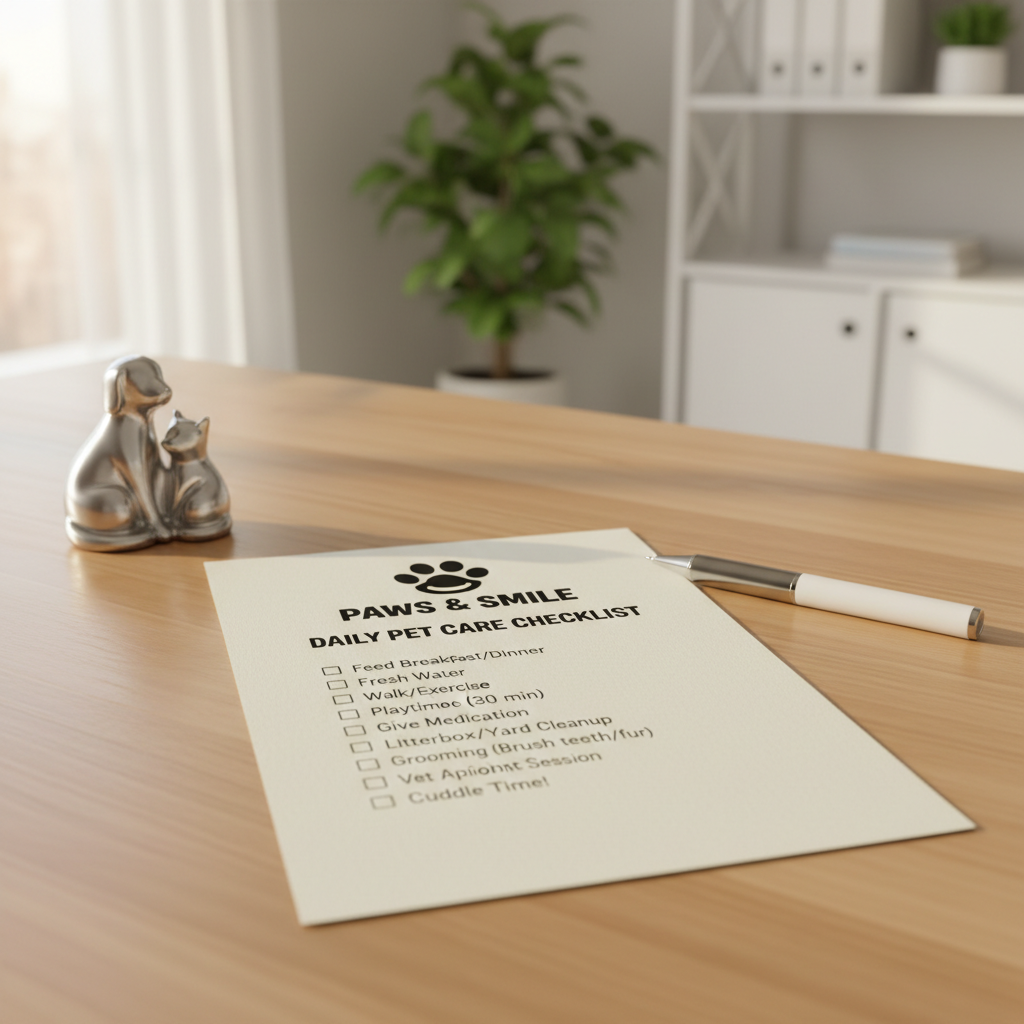
Predictability is the foundation of trust. During the first weeks at home, a gentle but consistent schedule lets your puppy relax instead of staying on edge. When a puppy learns that food, potty breaks, and rest come at predictable times, their underlying anxiety eases.
Central to this routine is sleep: puppies need 18 to 20 hours a day. Owners often mistake overstimulation for high energy, but most behavioral outbursts are simply a sign of exhaustion.
Time Segment | Activity | Purpose |
|---|---|---|
Morning Wake-up | Potty break, small meal, low-impact play | Biological fulfillment |
Mid-Morning | Structured nap (90–120 minutes) | Neurological processing |
Midday | Potty break, quiet enrichment (sniff mats) | Mental stimulation |
Afternoon | Repeat nap and potty cycle | Preventing overstimulation |
Incorporate quiet enrichment, such as a stuffed rubber toy or a soft chew, to encourage independent settling. Keep a physical checklist to track potty successes and the subtle stress signals discussed earlier. If you find the transition to a structured day difficult, a second set of eyes on your puppy's specific rhythms can help you stay consistent. That consistency is what helps your puppy feel safe enough to eventually engage in more formal learning.
Gentle Foundations: Teaching Through Observation and Choice
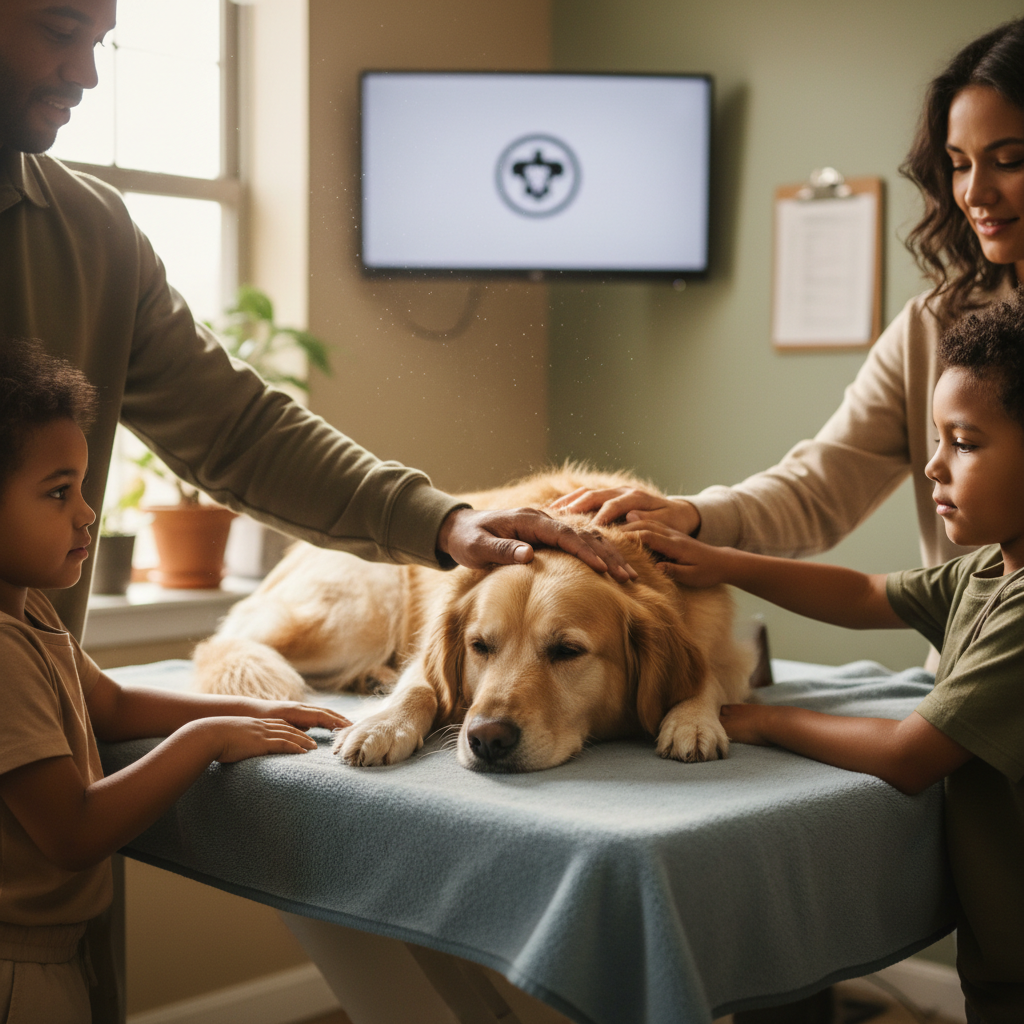
A predictable schedule provides the mental bandwidth your puppy needs to engage in choice based training. Rather than physically manipulating a puppy into a sit or using forceful commands, this approach relies on capturing and rewarding the behaviors the puppy offers voluntarily. During the puppy foundations first weeks, your primary goal is to teach them that their choices have consequences. When a puppy chooses to sit instead of jumping, or chooses to look at you instead of barking, they are actively participating in their own education.
This methodology is particularly effective for managing common behaviors like mouthing and jumping. These actions are often attempts to communicate a need for play or attention. If you respond with punishment, you risk damaging the fragile bond you have built. Instead, utilize redirection. If those sharp teeth graze your hand, quietly offer a soft toy. The moment they engage with the toy, provide praise. For jumping, wait for the split second all four paws touch the ground, then immediately deliver a high value reward.
This approach keeps things calm instead of pushing for frantic compliance. If you find it hard to time your rewards, a little extra guidance can sharpen your observation skills. Over time you move past simple obedience toward a partnership built on mutual understanding and trust.