Dogs follow their owners everywhere due to a combination of pack instincts, positive reinforcement, and a strong biological bond. While some breeds are naturally more likely to be a velcro dog clingy dog separation anxiety can also trigger this behavior if the animal feels panicked when separated from their human. Distinguishing between a healthy desire for proximity and stress-induced clinginess is key to effective training and care.
You step into the kitchen for a glass of water, and there they are. You head to the bathroom, and a wet nose immediately nudges the door open. Living with a Velcro dog can feel like having a four-legged shadow that never leaves your side. While this level of devotion is often endearing, it can quickly become overwhelming when your pup cannot settle without being physically pressed against your leg. Understanding whether your dog is simply displaying breed-specific traits or struggling with genuine separation anxiety is critical for maintaining a healthy, balanced household. In this guide, we will analyze why certain breeds are prone to clinginess; identify the subtle signs of distress versus devotion; and provide practical strategies to help your dog gain the confidence they need to thrive. You will learn how to transition from constant monitoring to a balanced, independent relationship with your canine companion.
The Bathroom Buddy Phenomenon: Is Your Dog a Velcro Dog?
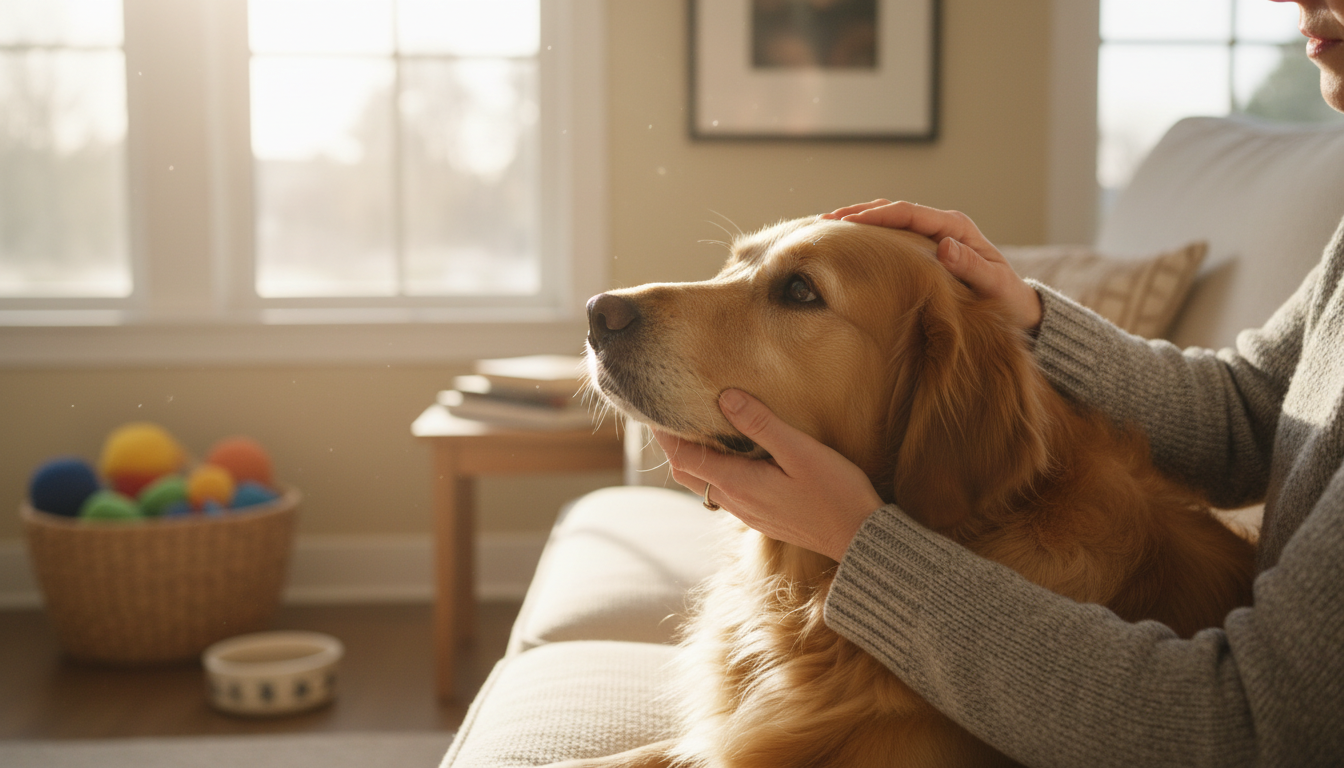
Many pet owners in Dallas find themselves never truly alone, even behind closed doors. You might be reaching for a towel or clearing the dinner table, only to realize your four legged companion is standing exactly three inches behind your heels. This is the hallmark of a velcro dog, a term used to describe canines that have a biological drive to remain within a few feet of their humans at all times. While an affectionate dog might seek out a head scratch before returning to their favorite sunspot, a velcro dog views your presence as their primary destination.
This behavior is deeply rooted in evolutionary biology. As pack animals, dogs have undergone thousands of years of domestication that hardwired them to view their owners as the ultimate source of all good things, including food, security, and social stimulation. They are not simply being pests; they are following a survival instinct that tells them safety and resources are found next to the leader.
It is important to differentiate between a healthy, secure attachment and the more concerning velcro dog clingy dog separation anxiety spectrum. Labeling a pet as a clingy dog often carries a negative connotation, yet for many breeds, this proximity is a sign of a high functioning, positive bond. They are not necessarily panicking in your presence; they are simply participating in your day. By establishing a 10 Minute Calm Dog Routine, you can begin to discern if this behavior is a pleasant personality trait or a sign that your pet requires more essential pet resources to feel confident. For those new to pet ownership in North Texas, recognizing this distinction is the first step toward building a professional foundation for your dog's long term well being.
A Velcro Dog Breeds List: High and Low Attachment Breeds
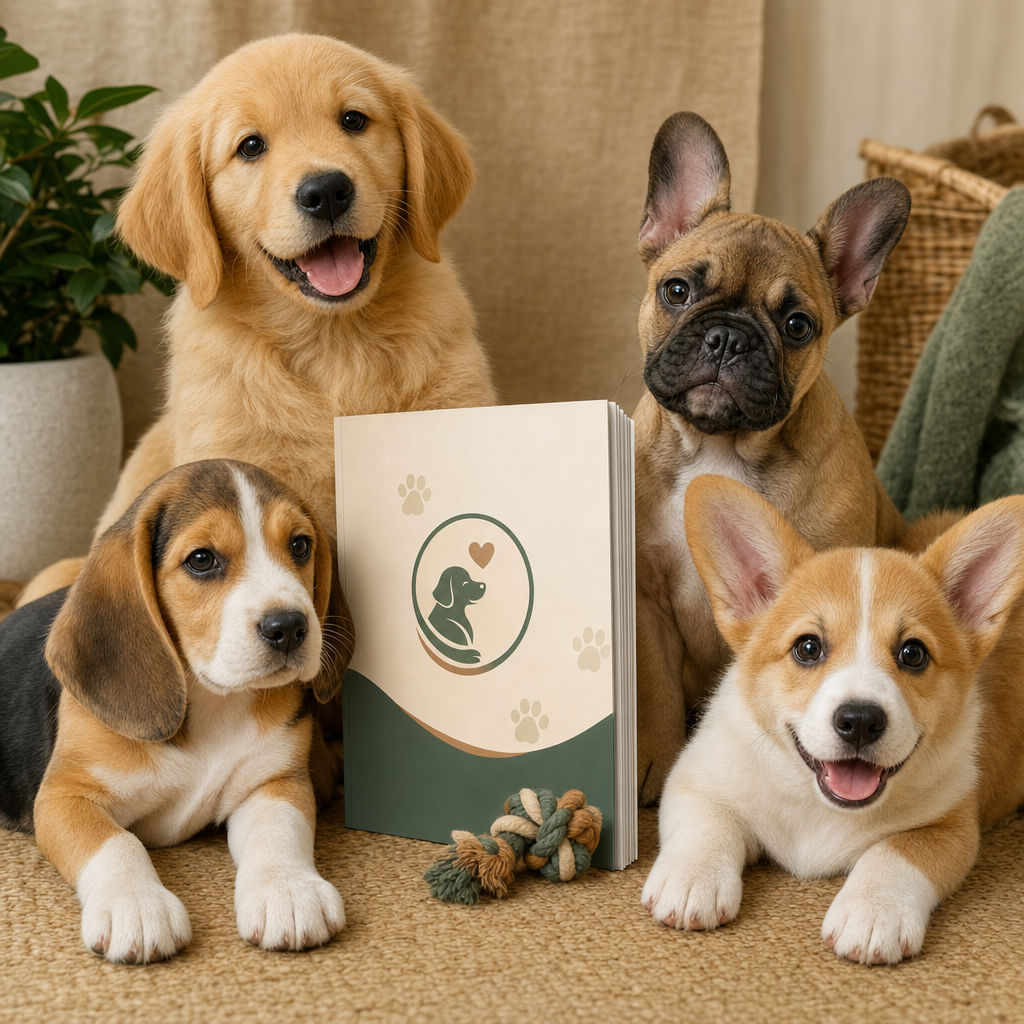
Understanding your dog's ancestral background provides a necessary benchmark for their current behavior. While any dog can develop a strong bond, certain breeds are genetically predisposed to maintain constant proximity to their human counterparts. This behavior is often a reflection of the specific roles they were bred to perform over centuries.
### High Attachment: The Natural Shadows Breeds commonly categorized as "velcro" were often developed for tasks that required a tight, uninterrupted partnership with a human handler. In these cases, proximity was not a luxury; it was a functional requirement of their work.
Vizsla: Known as the quintessential velcro dog, this breed was refined in Hungary to work closely with hunters. Their success in the field depended on staying in lockstep with their person.
German Shepherd: As herders and protectors, these dogs were bred to look to their handler for constant cues. This history manifests today as a natural tendency to follow owners from the kitchen to the home office.
Labrador Retriever: Their history as "gun dogs" involves waiting patiently at a handler's side for hours. This translates to a modern desire to be in the middle of every family activity.
Maltese: Unlike working breeds, the Maltese was bred specifically for companionship. Their historical "job" was to be a lap-warmer, making their need for physical closeness a core part of their identity.
### Low Attachment: The Independent Thinkers Prospective owners often ask which dog breeds have low separation anxiety. The answer usually lies in breeds that were historically expected to work at a distance or guard territory alone, requiring less emotional tethering to a human leader.
Akita and Chow Chow: These breeds served as guardians of estates and livestock. They were required to stand watch and make decisions without constant human input, fostering a loyal but stoic personality.
Greyhound: Often described as "cat-like," Greyhounds are famously independent indoors. They appreciate affection but are typically content to lounge in a separate room once their physical needs are met.
Recognizing these traits helps Dallas families determine if their pet is simply fulfilling its genetic blueprint or if the behavior has shifted toward the velcro dog clingy dog separation anxiety spectrum. If your dog belongs to a high-attachment breed, utilizing essential pet resources to provide structured mental stimulation can help them feel secure even when they are not directly underfoot.
Clinginess vs Separation Anxiety: Knowing the Difference
Distinguishing between a companionable shadow and a clinical anxiety disorder is a vital step in supporting your pet’s mental health. While a velcro dog focuses their energy on being near you while you are home, a dog suffering from separation anxiety experiences a physiological panic response the moment you depart. One is a social preference; the other is a distress condition that often requires specialized calming pet products or behavioral therapy.
Identifying specific behaviors helps clarify which category your pet falls into:
Behavior Type | Clinginess (Velcro Behavior) | Separation Anxiety (Distress) |
|---|---|---|
Timing | Occurs primarily when the owner is present. | Occurs immediately before or during owner absence. |
Physical Signs | Leaning against your legs, staring, or following. | Excessive drooling, dilated pupils, and pacing. |
Vocalization | Rare, unless asking for a treat or play. | Persistent howling, whining, or barking once alone. |
Impact on Home | No damage; the dog remains calm while you move. | Destruction of exit points, like doors or window sills. |
House Training | Accidents are unrelated to your presence. | House-trained dogs may have accidents when left. |
For many Dallas residents living in high-rise apartments or close-knit suburban neighborhoods, excessive vocalization or destructive chewing can be particularly stressful. If your dog follows you into the laundry room but settles onto their bed once you leave for dinner, you likely have a "sticky" companion. However, if your homecoming involves physical damage to the home or evidence of distress, you are dealing with the velcro dog clingy dog separation anxiety complex at a level that requires professional intervention. Utilizing essential pet resources to create a structured environment can mitigate minor clinginess, but persistent panic warrants a discussion with a veterinarian to rule out underlying medical issues.
Why Is My Dog So Clingy All of a Sudden?
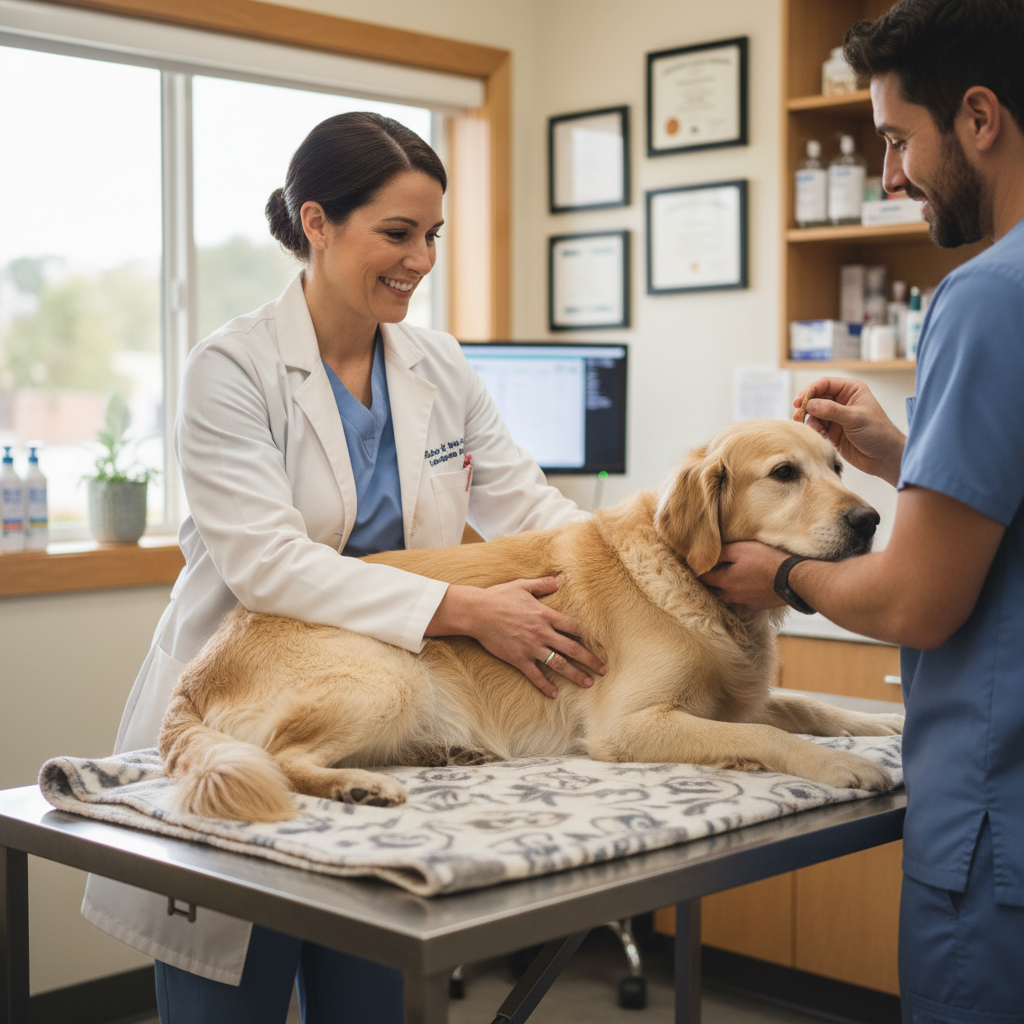
If your dog has recently shifted from an independent companion to a persistent shadow, the change often signals an underlying stressor rather than a simple personality quirk. A sudden onset of the velcro dog clingy dog separation anxiety cycle usually points toward physical or environmental disruptions that make your pet feel vulnerable.
Health issues are a primary catalyst, especially in senior dogs. A decline in vision or hearing can leave a dog feeling disoriented, leading them to rely on you as their primary sensory guide. Additionally, subtle pain from arthritis or early signs of canine cognitive dysfunction can trigger a need for constant reassurance. Dogs often mask physical pain, but a newfound inability to let you out of their sight is a common behavioral red flag.
External changes in your Dallas home also play a significant role. Relocating to a new neighborhood, welcoming a new baby, or even the persistent rumble of North Texas infrastructure and construction projects can unsettle a dog. Environmental triggers, such as the intense thunderstorms common in the DFW area, often cause dogs to seek proximity for safety. Because sudden behavioral shifts can be the first outward sign of physical discomfort, a veterinary consultation is necessary to rule out pain or illness. Once health concerns are addressed, you can consult essential pet resources to help stabilize your dog’s environment and restore their confidence.
What Is Your Clingy Dog Really Asking For?
Clinginess is rarely an aimless behavior; it is a sophisticated form of non-verbal communication. When your pet remains tethered to your side, they are often signaling a specific deficit in their environment or routine. For many high-drive breeds in North Texas, this behavior stems from a direct need for mental engagement. If a dog lacks a job or a complex puzzle to solve, they may default to monitoring your every move as a form of self-assigned work.
In some instances, the behavior is a bid for protection. Dogs are sensitive to low-frequency vibrations that humans often overlook, such as the hum of a large HVAC system working overtime or distant road construction along the DFW corridors. They view their owner as a physical shield against these unseen stressors. Alternatively, a dog might be practicing resource guarding of their favorite person. In this scenario, the dog is not seeking comfort; they are actively claiming territory and monitoring who approaches their most valued asset.
The Dallas climate frequently exacerbates these tendencies. During peak summer months, the extreme heat restricts outdoor exercise, leading to significant pent-up energy. When a dog is confined indoors for long stretches, their world shrinks, making you the most stimulating element in their environment. Identifying these triggers is a key part of using essential pet resources to address the velcro dog clingy dog separation anxiety cycle effectively. Understanding whether they need a brain teaser or a safe harbor changes how you should respond to their presence.
How to Help a Clingy Dog Gain Independence
Building independence is a gradual process that replaces the velcro dog clingy dog separation anxiety cycle with a foundation of self assurance. Start by mastering the "Place" command. This training involves teaching your dog to go to a specific mat or bed and stay there until released. It creates a physical and mental boundary that allows them to exist comfortably in the same room as you without being physically attached.
Once your pet is stable on their mat, begin rewarding "stay" behavior while you are briefly out of sight. Step into the hallway or a different room for three seconds, then return and reward their calm silence. Gradually increasing this duration teaches them that your departure is temporary and not a cause for alarm. Incorporating nose work games, such as hiding high value treats around the living room, shifts their focus from monitoring your movements to engaging their natural foraging instincts.
Physical and mental exhaustion are your greatest allies. A well exercised dog is naturally more inclined to rest independently rather than follow you into the kitchen. Providing a structured daily schedule reduces the uncertainty that often fuels clinginess. Utilizing essential pet resources like long lasting chews or interactive puzzles can keep them occupied during your busy hours. By integrating these strategies and using the right calming pet products, you help your Dallas companion transition from a constant shadow to a confident, balanced member of the household.
Understanding whether your dog follows you out of love or anxiety is the first step toward a happier home. While velcro behavior is often just a sign of a strong bond, true separation anxiety requires a more nuanced approach. If you want expert help managing these behaviors or building your dog's confidence, professional guidance can make a significant difference. You can find a variety of helpful tools and guides in our Resources section to support your journey together. Every dog is unique; finding the right balance ensures a peaceful life for both of you.