
It is time to say goodbye to your dog when their quality of life diminishes to the point that they can no longer enjoy daily activities, eat properly, or move without significant pain. Pet owners should track good versus bad days on a calendar and consult with a veterinarian to determine when is it time to say goodbye to your dog based on their specific health needs and comfort levels.
Choosing the right moment to say goodbye to your dog is the most profound burden a pet owner will ever carry. In Dallas, where our dogs are cherished members of the family, the weight of this decision often leads to sleepless nights and a cycle of endless second guessing. You find yourself searching their eyes for a sign, wondering if their spark has faded or if there is still joy left to find. This moment matters because it is the ultimate act of stewardship; it requires a delicate balance of medical logic and deep emotional intuition. In this guide, we will provide you with a practical framework to navigate this difficult transition. We will explore the HHHHHMM Quality of Life Scale, discuss specific physical indicators, and address the common fear of acting too soon. Our goal is to help you find clarity and peace during your dog's final chapter.
The Most Difficult Decision: Recognizing the Weight of the Moment
For Dallas families, a dog is not merely a pet but a cornerstone of the home. From morning walks along the Katy Trail to quiet evenings in the M Streets, the bond shared with a canine companion is built on years of loyalty and unspoken understanding. This deep connection makes the eventual question of end of life care incredibly heavy. Deciding when is it time to say goodbye to your dog is often the most difficult responsibility a pet owner faces.
This decision represents a profound act of love rather than a failure of care. It is a final gesture of mercy intended to protect a companion from unnecessary suffering. Many owners ask, "Do dogs know when you say goodbye?" While we cannot speak for them, the intuitive connection between a dog and their person is undeniable. Dogs are highly sensitive to our emotions and physical presence; they often find peace simply by being near the person who has given them a lifetime of safety.
If you are unsure where to turn, many communities offer free or low-cost pet-loss support, from local hotlines to gentle online groups of people who understand exactly what you are carrying. You do not have to navigate this alone, and you should never have to pay for the comfort you need during such a difficult time.
When to Put Your Dog Down Checklist: Physical and Behavioral Signs

Transitioning from emotional intuition to objective assessment requires a clear understanding of the difference between a dog who is simply aging and one who is actively suffering. While getting old often manifests as a grey muzzle, a slower pace on walks, or longer naps, suffering involves a decline in fundamental bodily functions that compromises your dog's dignity and comfort.
When evaluating your dog's health, use the following checklist of specific physical and behavioral indicators to identify when the situation has progressed beyond manageable aging:
Labored Breathing: This is particularly critical during North Texas summers. High humidity and triple-digit temperatures in Dallas can exacerbate respiratory distress in senior dogs. If your dog is struggling for air while resting, or if you notice heavy panting that does not subside in the air conditioning, it indicates a severe lack of oxygen or cardiac strain.
Inability to Stand or Move Without Pain: Observe if your dog can no longer rise to greet you or reach their water bowl. Chronic pain that does not respond to medication, or the inability to support their own weight, often leads to a significant decline in quality of life.
Complete Loss of Appetite: Refusing high-value treats or favorite meals for several days usually signals that the body is shutting down. Sustained weight loss and a total lack of interest in food are clear signs of internal distress.
Chronic Incontinence Causing Distress: Dogs are instinctively clean animals. If your dog is consistently soiling themselves and shows signs of anxiety or shame because of it, the loss of hygiene often leads to skin infections and a breakdown in their sense of well-being.
Identifying these signs early allows you to consult with a veterinarian before a medical crisis occurs. You can find additional pet care resources to help you monitor these changes effectively. If these symptoms are present and persistent, it is often an indication that your dog’s body can no longer sustain itself without discomfort.
Using the Quality of Life Scale (HHHHHMM)
While physical checklists help identify acute symptoms, many owners face a slower, more ambiguous decline. Using a structured quality of life scale helps remove the guesswork when deciding when is it time to say goodbye to your dog. The HHHHHMM scale is an industry standard that allows you to evaluate seven specific areas of your dog's daily existence through a series of honest questions:
Hurt: Can your dog's pain be managed effectively with medication? Are they panting, trembling, or vocalizing in distress?
Hunger: Is your dog able to eat enough to maintain their weight? Are you having to resort to force-feeding or constant coaxing?
Hydration: Is your dog drinking enough to stay hydrated? In our dry North Texas climate, dehydration can quickly lead to lethargy and internal strain.
Hygiene: Can your dog be kept clean and dry? If they can no longer stand to urinate or defecate, the risk of skin infections and loss of dignity increases.
Happiness: Does your dog still find joy in family interaction? Do they greet you at the door or show interest in their favorite toys?
Mobility: Can your dog move independently without significant struggle?
More Good Days than Bad: Do the positive experiences still outweigh the suffering?
Mobility often presents a specific challenge in Dallas homes. Many local residences, particularly those in historic districts like Lakewood or newer luxury developments, feature slick hardwood floors and steep staircases. For a senior dog with osteoarthritis or neurological decline, these surfaces are treacherous. A dog who once spent their days moving freely between rooms may now find themselves stuck on a rug, fearing a fall on the hardwood. When a dog can no longer navigate their own home to reach their water bowl or find a cool spot on the floor, their sense of independence vanishes. For those needing guidance on managing these physical changes, our pet care resources offer practical advice on senior dog comfort.
To remain objective, we recommend the calendar method. Mark a physical calendar with a smiley face for a good day and a sad face for a bad one. This visual record prevents the recency bias of one good afternoon from overshadowing a week of struggle. You can also consult local community resources to find professionals who specialize in senior pet assessments. If the sad faces consistently outnumber the happy ones, the scale has tipped toward a decline that likely requires a final decision.
Is It Okay to Put My Dog Down Too Early?
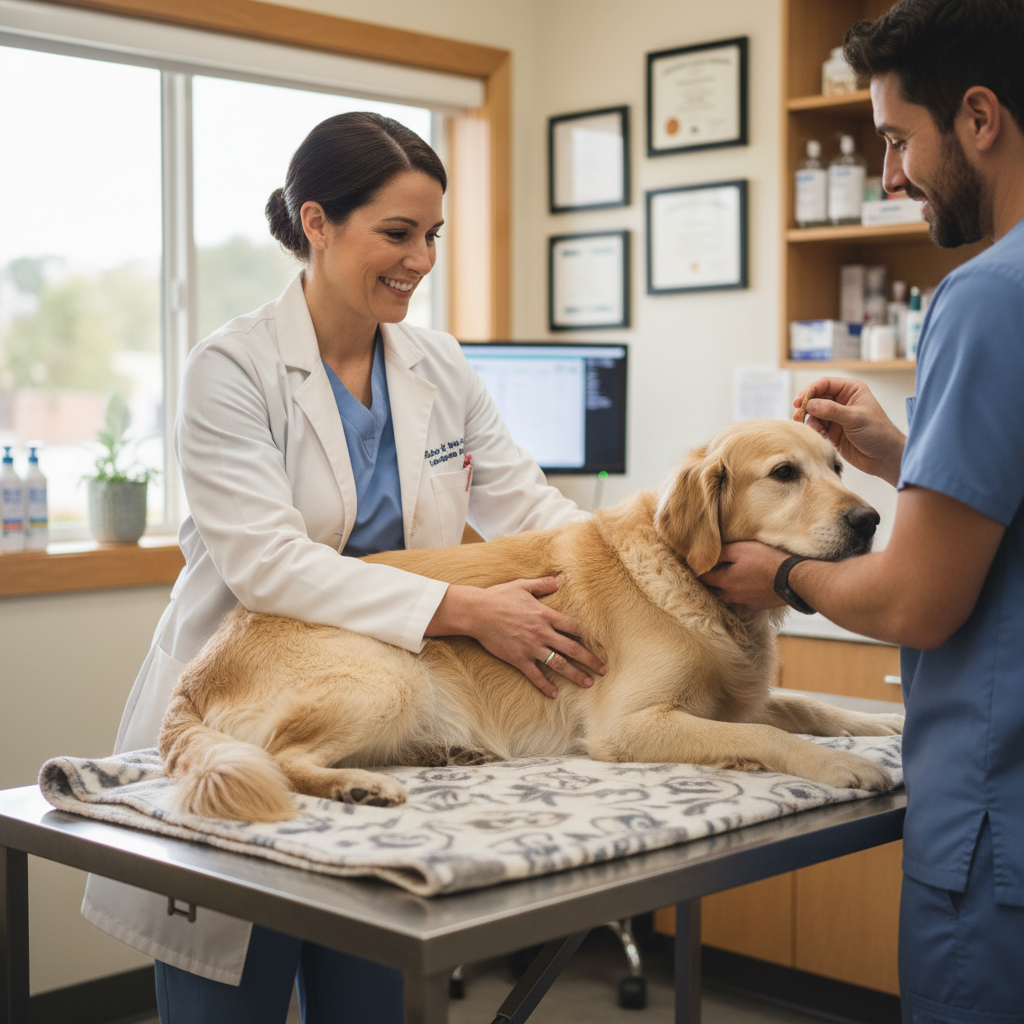
The fear of acting prematurely often causes more emotional distress for Dallas pet owners than the decline itself. You may find yourself wondering if you are robbing your dog of a few more sunny afternoons in the backyard. However, veterinarians often suggest that it is better to be a week too early than a minute too late. This philosophy prioritizes the prevention of suffering over the quantity of days remaining. By choosing a scheduled, peaceful exit, you avoid the trauma of a midnight emergency or a respiratory crisis that leaves your dog panicked and in pain.
Deciding when is it time to say goodbye to your dog involves accepting that you are providing a final gift of mercy. Waiting for a natural end often means waiting for a body to fail completely, which can be a slow and agonizing process. Selecting the date allows you to control the environment, ensuring their last moments are filled with your familiar scent and voice rather than the clinical stress of an emergency room.
If you are struggling with this burden, utilizing pet care resources or consulting local community resources for professional guidance can provide the clarity needed to see this choice as an act of profound stewardship. Preventing the worst day of their life is the ultimate expression of love. Choosing a peaceful departure before a crisis occurs ensures that their final memory is one of comfort and security.
Preparing for the Final Farewell in Dallas

Once you have reached the point of understanding when is it time to say goodbye to your dog, the focus shifts to the logistics of a peaceful departure. In Dallas, pet owners generally choose between a clinic visit and in-home euthanasia. A clinic offers a structured environment with immediate access to staff, but many families prefer the privacy of their own residence. In-home services allow your dog to remain on their favorite bed, surrounded by familiar scents, which eliminates the physical strain of a car ride. You can search our local community resources to find mobile veterinary professionals who serve the Dallas area.
Demystifying the process itself can help lower your anxiety. The procedure typically involves two steps. First, the veterinarian administers a sedative to ensure your dog enters a deep, painless sleep. Once they are fully relaxed and unaware of their surroundings, a second injection is given that gently stops the heart. The transition is remarkably fast and quiet, appearing much like a natural sleep.
Creating a meaningful final day provides a sense of closure for the entire family. If your dog is still mobile, a gentle visit to a favorite spot like White Rock Lake allows them to enjoy the breeze and familiar sights one last time. For dogs with limited mobility, a special final meal, such as a plain cheeseburger or a small bowl of ice cream, serves as a final comfort. Consult our pet care resources for more ideas on tailoring these moments to your dog's physical abilities. These intentional acts ensure their final memories are defined by joy and the deep bond you share.
Coping with the Loss of a Dog: Understanding the Grief
The silence in a Dallas home following a final farewell is often the most challenging stage of the process. You may find that the depth of your sorrow feels unexpectedly profound, sometimes even surpassing the grief felt for human acquaintances. Many experts suggest that losing a dog can be harder than losing a relative because the bond is built on uncomplicated, unconditional love and a constant physical presence. Unlike human relationships that may involve conflict or distance, the connection with a dog is defined by total acceptance. Furthermore, losing a pet shatters your daily routine. The absence of a jingling collar during your morning walk or the lack of a familiar weight at the foot of your bed creates a recurring void that triggers the grieving process multiple times each day.
Most importantly, allow yourself the grace to grieve without a set timeline. Some days you may feel almost normal; other days the silence in the house may feel overwhelming. Both are valid. To help soften the transition, consider these gentle coping strategies:
Create a Memorial: Dedicate a space in your home or garden to honor their memory. Many Dallas families choose to plant a native Texas tree or install a custom stepping stone to mark a favorite spot in the yard.
Join a Support Group: Seek out Dallas-based pet loss support groups. Sharing your experience with others in the local community who understand the unique weight of this loss can provide immense comfort.
Utilize Professional Guidance: If the grief feels overwhelming, consult our local community resources for links to specialized bereavement counselors in the North Texas area.
Focusing on these intentional acts of remembrance helps transform the pain of loss into a lasting tribute to the years of companionship you shared. You can also find additional pet care resources to help you navigate life after the loss of a companion.
Making the choice to say goodbye is a profound act of love that puts your dog's comfort above all else. This process can feel overwhelming, but remembering that you are acting in their best interest can bring some peace. Hold onto the simple truth that the depth of your grief is a measure of the love you shared - and that love does not end with saying goodbye.