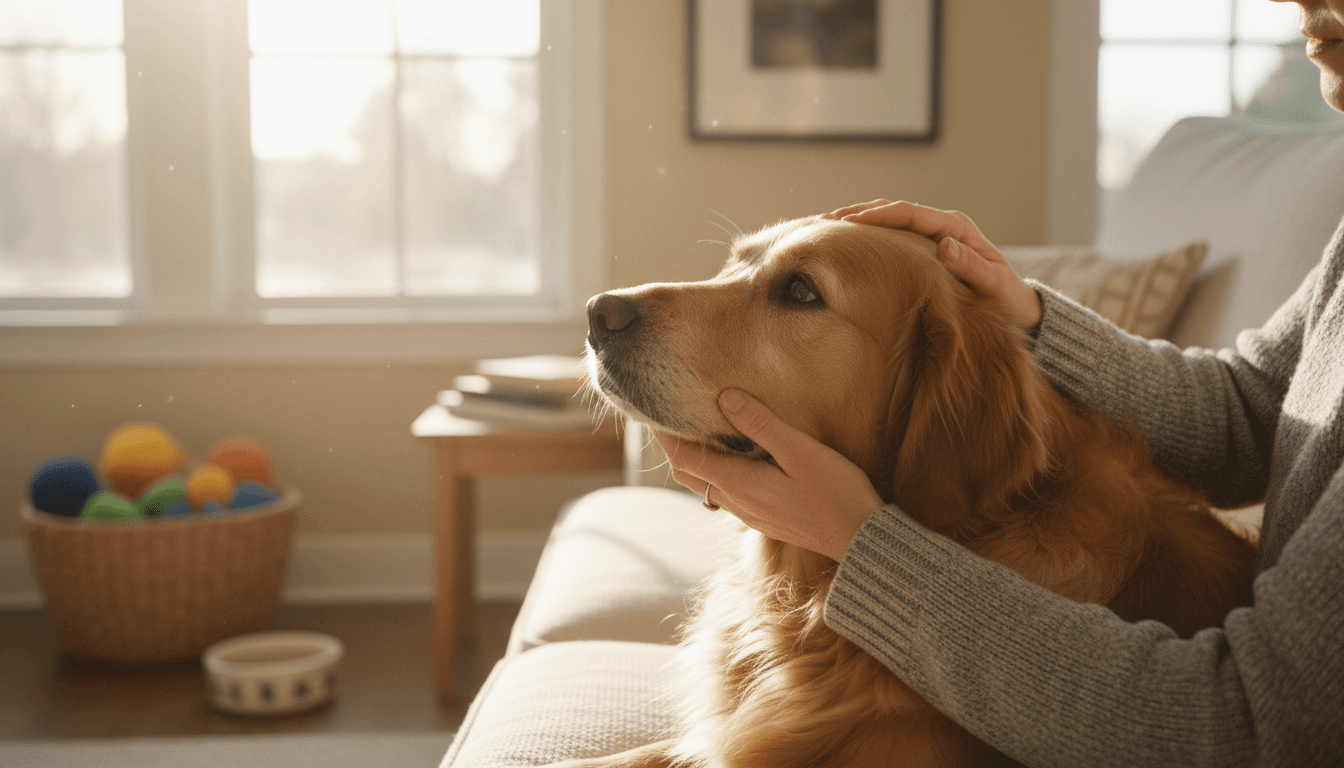
Owners can offer a senior dog slowing down gentle care by focusing on low-impact exercise, mental stimulation, and frequent veterinary checkups. Maintaining a nutritionally complete diet and providing regular social interaction are also vital for keeping aging pets healthy and comfortable.
Watching a once-energetic companion struggle to stand up or hesitate at the stairs is heartbreaking for any Dallas pet owner. It is easy to dismiss these changes as just part of getting old; however, seeing your best friend lose their spark often brings a mix of worry and uncertainty. Understanding that slowing down is frequently a sign of manageable discomfort rather than an inevitable decline is the first step toward preserving their quality of life. Providing proactive, gentle care ensures that your senior dog remains comfortable, mobile, and happy during their golden years. In this guide, we will explore how to identify subtle signs of pain, adapt exercise routines for the Texas heat, and modify your home to support aging joints. You will also discover the role of specialized nutrition and regular wellness visits in maintaining your pet's long-term vitality.
Is it normal for older dogs to slow down?
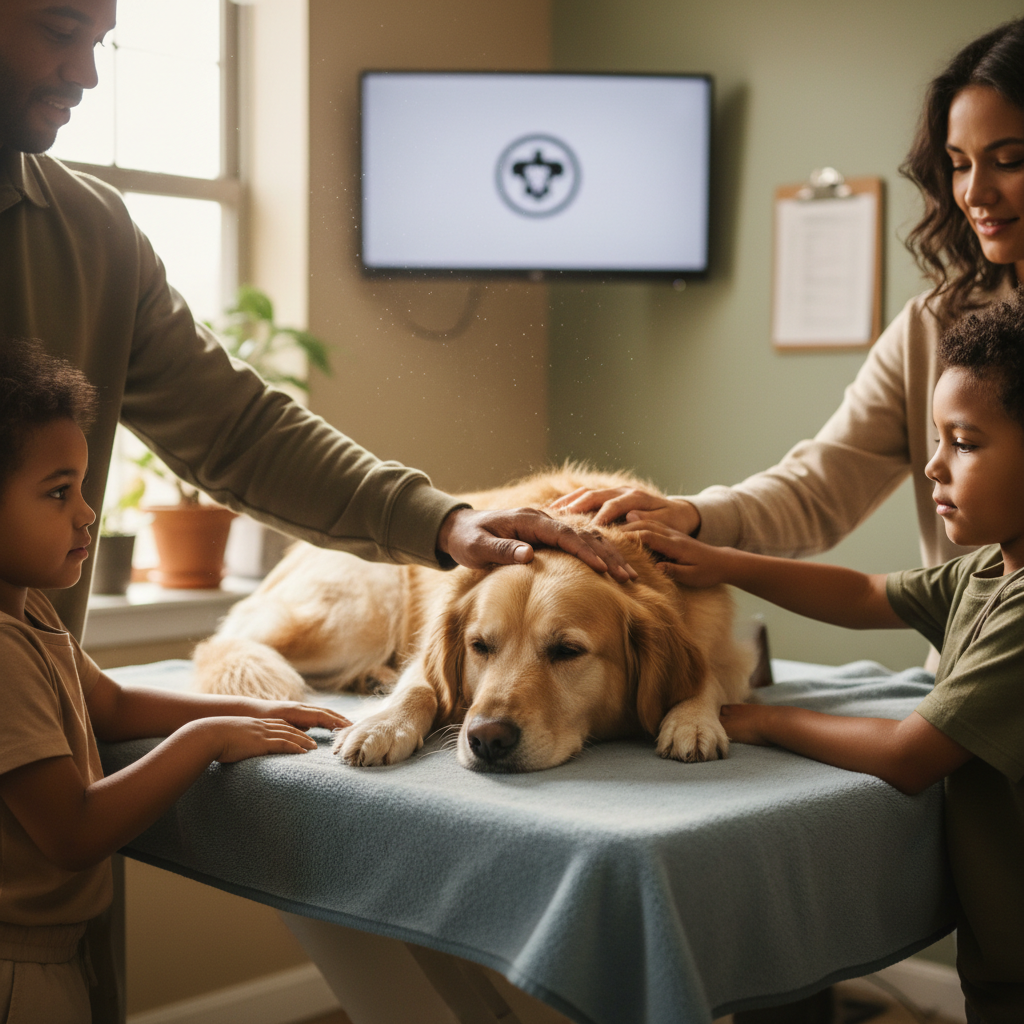
Watching your canine companion enter their golden years often brings a mix of pride and concern. You might notice they are slower to greet you at the door or prefer a quiet nap over a trip to the dog park. These observations are valid; dogs do undergo significant physiological changes as they age. However, a common mistake is dismissing every shift in behavior as simply getting old.
At Paws & Smile, we work with many families navigating these transitions. It is essential to differentiate between natural senescence and underlying medical conditions. Natural aging typically manifests as a modest decrease in stamina, napping more frequently, or opting for shorter play sessions. In contrast, clinical issues like chronic pain or Canine Cognitive Dysfunction present as persistent restlessness, disorientation, or a total loss of interest in favorite activities. If a dog is struggling to stand or seems confused in familiar surroundings, these are not just signs of age; they are symptoms that require intervention.
For those of us in Dallas, environmental factors play a significant role. The intense Texas heat can quickly exacerbate fatigue, making a healthy senior dog appear lethargic or distressed. Monitoring these changes closely is a key part of senior dog slowing down gentle care, as it helps you distinguish between heat-related exhaustion and a genuine decline in mobility. Utilizing helpful pet resources can assist you in tracking these behavioral shifts over time. While a slower pace is expected, your dog should still be comfortable and engaged. If you need pet care help determining the cause of your dog’s fatigue, professional observation is the best way to ensure their comfort.
Recognizing the subtle signs of pain in senior dogs
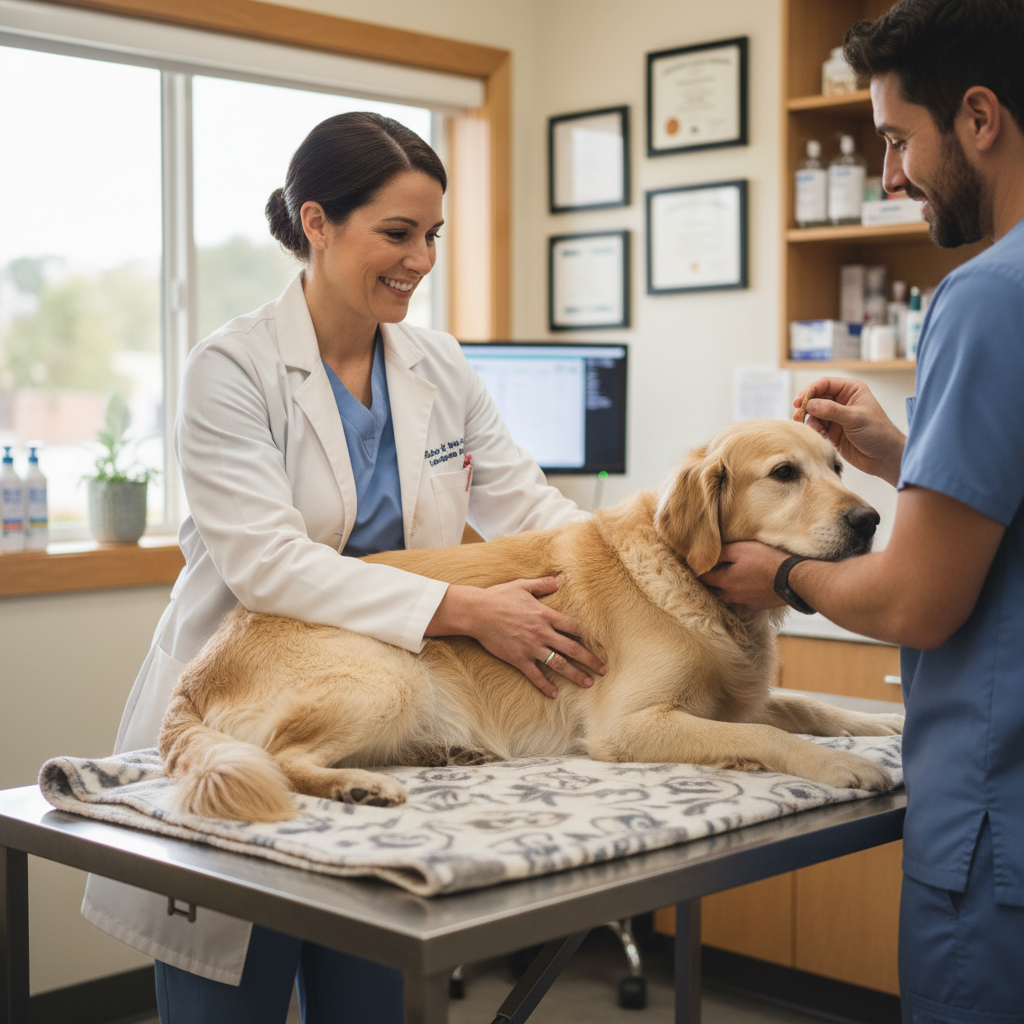
Determining if a senior dog is in pain requires keen observation because dogs are masters of masking discomfort. This behavior is rooted in their evolutionary history; in the wild, an animal that appears injured or weak becomes a target for predators or loses standing within its social group. Even in the comfort of a Dallas home, your pet’s instinct is to carry on stoically. This makes senior dog slowing down gentle care particularly challenging, as owners often miss the quiet indicators of chronic inflammation or osteoarthritis until the condition has significantly progressed.
Look for these seven subtle signs that suggest your senior dog is experiencing physical distress:
Panting while resting: If your dog is panting in a climate-controlled room without recent exercise, it is often a physiological response to pain.
Reluctance to jump: Hesitating before getting into the car or onto the sofa indicates that the impact on their joints has become painful.
Changes in sleeping positions: A dog that previously curled into a tight ball but now only sleeps stretched out may be avoiding pressure on specific joints.
Bunny hopping: Watch their hind legs when climbing stairs; if they move both back legs together rather than independently, they are likely compensating for hip or knee discomfort.
Stiffening after a nap: This is most noticeable when a dog rises from a hard, cold floor, where lack of cushion or warmth exacerbates joint stiffness.
Excessive grooming: Licking or biting at a specific joint is often an attempt to soothe localized inflammation.
Narrowed focus or irritability: A dog in pain may stop tracking movement with their eyes or react grumpily to being touched in certain areas.
Identifying these shifts early allows for proactive management. Utilizing helpful pet resources can help you track these behaviors to provide a clear history for your veterinarian. If you observe these specific movement patterns, seeking pet care help early can prevent minor discomfort from becoming a mobility crisis. Moving beyond general observations to these specific behavioral markers ensures your senior companion receives the targeted support they need.
Gentle exercise for senior dogs in the Dallas heat
Maintaining mobility is essential for joint health, but in the North Texas climate, traditional exercise routines must be adapted. The intense Dallas sun makes midday walks dangerous for aging pets who cannot regulate their body temperature as efficiently as they once did. For senior dog slowing down gentle care, timing is everything. Schedule strolls before 8:00 AM or after the sun has dipped low enough for the pavement to cool. A reliable test is to place the back of your hand on the concrete; if you cannot hold it there for five seconds, it is too hot for your dog’s paw pads.
Focus on low impact environments like the shaded, wooded paths near White Rock Lake or the canopy covered sections of the Northaven Trail. Rather than covering a specific distance, pivot to "sniffari" walks. These sessions prioritize mental stimulation by allowing your dog to linger and process environmental scents. For a senior dog, ten minutes of active sniffing provides significant cognitive enrichment without the cardiovascular strain of a brisk hike. This approach respects their physical limitations while keeping their mind sharp.
Monitoring your dog's threshold requires watching for subtle mechanical shifts. If their stride begins to widen or you notice the occasional sound of a nail scuffing the ground, they have reached their limit. Heavy, shallow breathing or a tongue that hangs out excessively to the side are immediate signals to find shade and head home. Utilizing helpful pet resources can provide further guidance on heat safety for local breeds. If you are unsure how to balance activity with rest, seeking pet care help ensures your senior remains active without risking heat exhaustion or unnecessary joint flares.
Modifying your home for senior dog joint care
Once you have adjusted your outdoor routine, the focus should shift to the environment where your dog spends the majority of their time. Many Dallas homes feature hardwood, laminate, or tile flooring to keep interiors cool, yet these surfaces pose a significant risk to aging joints. A senior dog struggling with stability can easily splay their legs on a slick floor, leading to muscle strains or ligament tears. Placing non-slip area rugs or yoga mats along common pathways creates a traction highway that allows your pet to move with confidence.
Supporting a senior dog slowing down gentle care also involves reconsidering their posture during daily tasks. Bending down to floor level for water or meals puts unnecessary strain on the neck and shoulders, particularly for larger breeds. Switching to elevated feeding stations allows them to maintain a neutral spine. For furniture access, avoid encouraging your dog to jump. Instead, install sturdy ramps or specialized pet stairs next to sofas or beds. When traveling, a foldable car ramp is a safer alternative to lifting a heavy senior or letting them jump from a high-clearance SUV.
If you are looking for specific product recommendations for these modifications, our helpful pet resources provide a curated list of senior-safe tools. Implementing these physical changes offers immediate relief and reduces the risk of home-based injuries. If you need more tailored pet care help for a dog with severe mobility limitations, professional home assessments can help identify further hidden hazards in your living space.
Senior dog joint care and nutritional support
Supporting your dog internally is just as vital as modifying your physical space. As metabolism shifts, a diet rich in targeted nutrients can significantly improve quality of life. Omega 3 fatty acids, typically derived from high quality fish oils, act as natural anti inflammatories to soothe stiff joints. Simultaneously, supplements like glucosamine and chondroitin provide the essential building blocks to maintain cartilage health and joint lubrication. Integrating these into a daily routine is a cornerstone of senior dog slowing down gentle care.
The most influential factor in mobility, however, is weight management. For a senior pet, even an extra two pounds of body fat places immense, unnecessary pressure on aging skeletal structures. This excess weight accelerates the breakdown of cartilage and increases systemic inflammation. Because activity levels often drop during the peak of the Texas summer, many pets inadvertently consume more calories than they burn.
Consulting with a veterinarian in Dallas is the most effective way to establish a precise caloric balance tailored to a less active lifestyle. They can help you transition to senior specific formulas that are lower in fat but higher in protein to maintain muscle mass. For more information on finding high quality supplements or specialized diets, review our helpful pet resources. If you need assistance coordinating these lifestyle shifts, professional pet care help can ensure your dog stays at their target weight throughout their golden years.
The importance of regular senior wellness checkups

While home modifications and diet are foundational, they work best alongside consistent clinical oversight. For dogs over the age of seven, an annual physical is often insufficient. Most veterinarians recommend bi-annual wellness exams to account for the accelerated aging process in senior canines. These six-month checkups allow for more frequent monitoring of heart sounds, dental health, and subtle weight shifts that might escape daily observation at home.
This increased frequency is a pillar of senior dog slowing down gentle care, ensuring that minor physiological changes are caught before they escalate into emergencies. Comprehensive senior blood panels are particularly critical during these visits. Lab work can reveal early-stage kidney disease or liver dysfunction long before your dog shows outward symptoms like increased thirst, lethargy, or loss of appetite. Identifying these trends early often allows for simpler interventions, such as prescription diets or specific hydration protocols, which significantly extend a pet's comfort.
At Paws & Smile, our commitment to proactive care means providing owners with the tools to manage these transitions effectively. Accessing helpful pet resources can assist you in preparing for these diagnostic conversations with your vet. Navigating the medical and physical complexities of an aging pet can feel overwhelming for any family. Utilizing professional pet care help provides the additional support needed to manage daily requirements, allowing you to focus on the emotional bond you share with your companion during their golden years.
Caring for a senior dog involves patience and minor adjustments to their daily routine to ensure their comfort. By watching for small changes and providing a supportive environment, you can help your aging pet thrive in their golden years. If you want expert help navigating these transitions, we invite you to explore our Resources for additional guidance. Our team is here to support you and your furry friend every step of the way, making sure they receive the specialized care they deserve.